Rwanda – Gwiza Women’s Coffee group
Preserving Rwanda’s biodiversity through a community of women dedicated to producing premium coffee.

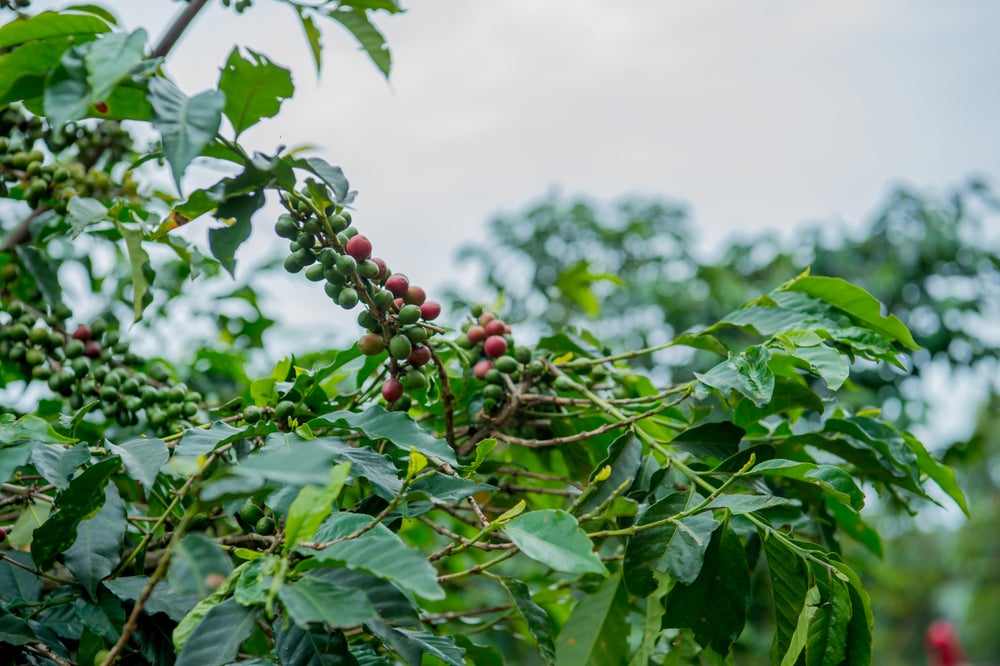
The Abadatezuka Cooperative is a group of smallholder farmers in the Western Province of Rwanda who deliver their coffee cherries to the Cyato Washing Station in the Nayamasheke district. Bordering Lake Kivu and the Nyugwe Forest, the Western Province of Rwanda is a rich tropical area. The soil, a mixture of sand and black humus at extreme altitudes, has allowed smallholders and washing stations to produce specialty coffee in quantities never before seen in Rwanda.
Producers here grow coffee at altitudes up to 2,200 meters above sea level, while the washing station, established in 2017, is located at 1,850 meters. This batch was specifically selected from the cooperative’s women-owned farms, which earned an additional premium in addition to the traditional quality award.
An interesting aspect of the coffee from this area is that the native honeybees that live in and around the Nyungwe Forest, where the coffee is grown, are considered partly responsible for its unique profile. Bee-assisted pollination, the fertile soil (black humus and sandy soil), and the cool climate influenced by the lake, thanks to the area’s proximity to Lake Kivu, contribute to the aromas found in the cup. The growers do not use synthetic products, either as fertilizers or pesticides.

This batch is processed using the honey process method, following steps similar to washed coffees, with one notable difference: the amount of mucilage left on the beans before drying. After harvesting and selecting the cherries, the coffee is typically pulped and fermented. During fermentation, all the mucilage in washed coffees is broken down and removed from the beans. In coffees processed using the honey process, fermentation is stopped prematurely, leaving some of the mucilage intact on the beans. The coffee will then dry with this mucilage intact, often contributing to a thicker texture, greater browning of the sugar, and fruity notes in the final cup.


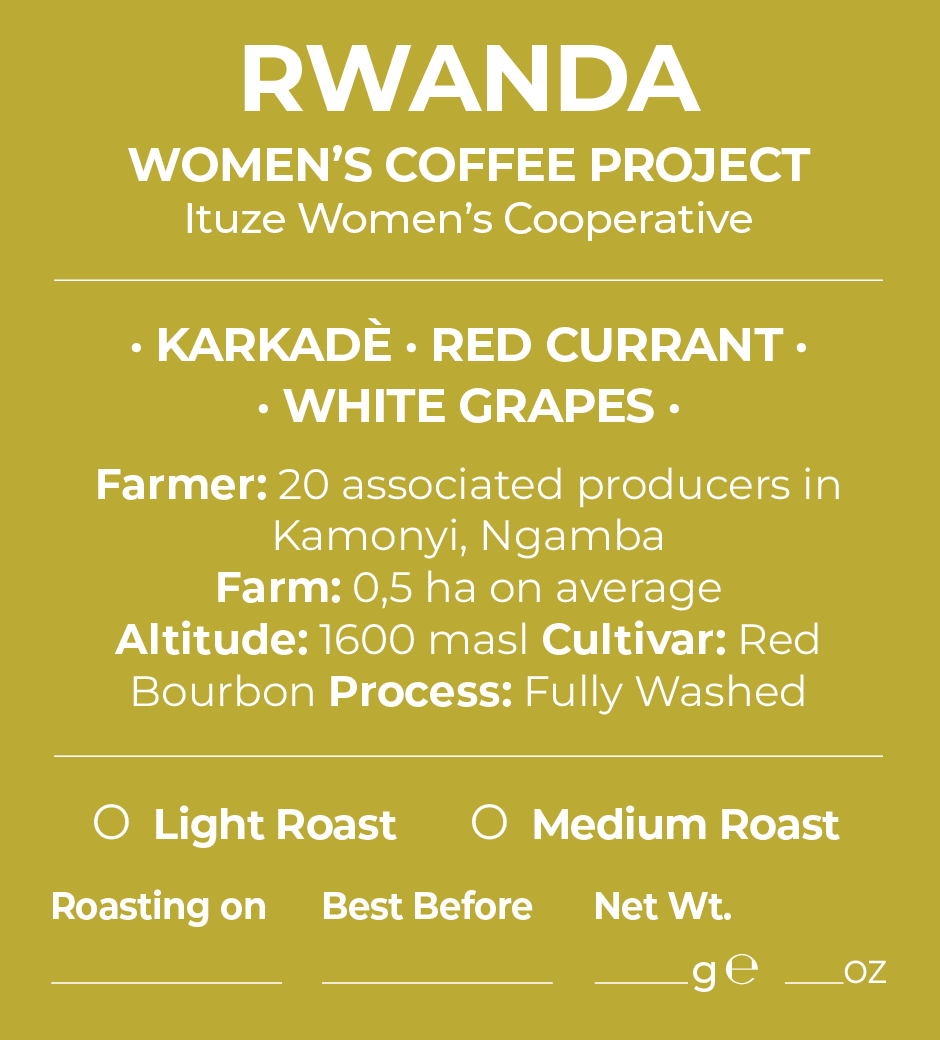
Rwanda – Ituze Women’s Cooperative
A shining example of what can be accomplished when women come together to support each other.
They have overcome many challenges, but they have never given up on their dreams and work together to improve their livelihoods and prospects.
In 2008, 18 women who were diagnosed with HIV/AIDS came together to form the Ituze Women Cooperative.
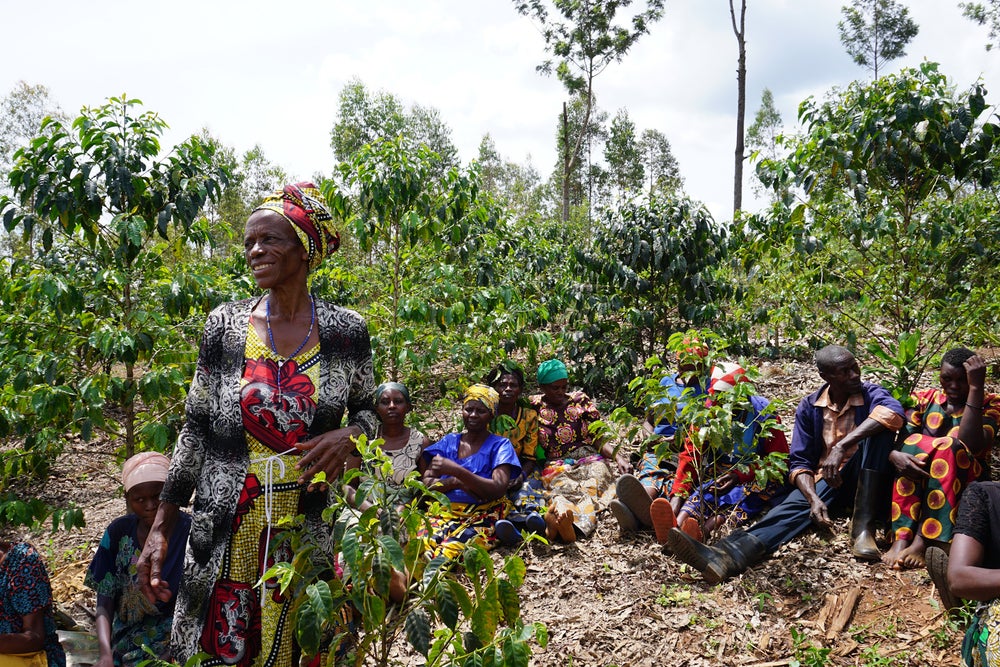
In Kinyarwanda, “ituze” means “calmness”, which is the effect the women wanted their cooperative to have. The cooperative’s first goal was to provide support and friendship to its members. They met regularly to share their experiences, offer each other advice and simply lend a listening ear. This sense of community was essential to their success.
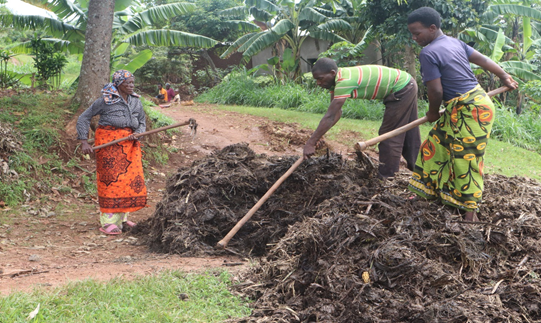
In 2018, the cooperative received a grant from the Kahawatu Foundation to purchase seedlings, shade trees and manure, which further boosted their productivity.
They also received training in soap manufacturing, which has become a profitable new venture.
Today, the Ituze Women’s Cooperative is a thriving business. They have over 20 members, and their products are sold locally and in the capital city of Kigali.
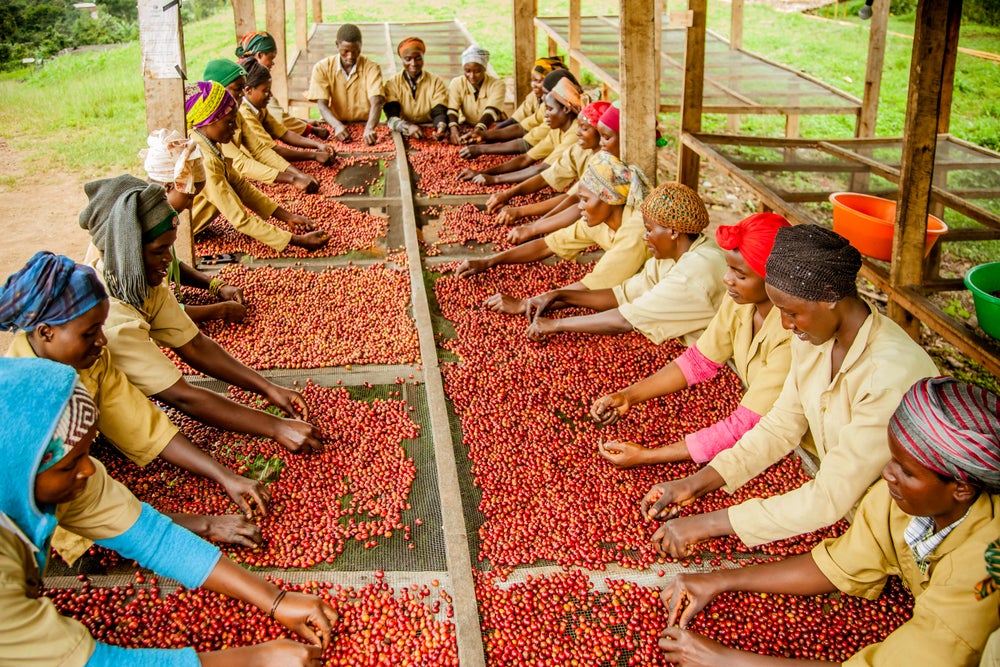
The women of Ituze selectively handpick ripe, red cherry and deliver it to Ngamba washing station. At intake, specially trained staff float cherry to remove underripes and then visually inspect cherry and remove any defects. Cherry is pulped and fermented for 10 to 12 hours in fermentation tanks. Following fermentation, parchment is washed in clean water and laid on raised beds to dry. Workers rake parchment frequently to ensure even drying and visually inspect parchment to remove any damaged beans. It takes approximately 21 to 30 days for parchment to dry.

Join us!


Secure Payments